 Outdoor Play and Learning (OPAL)
The Outdoor Play and Learning (OPAL) Primary Programme is the result of over 20 years of testing and development in over 800 schools and has been used in Spain, Canada, France and New Zealand. The programme has also been adapted and used in schools in Slovakia, Czech Republic, Hungary, Poland and Austria under the Play Friendly Schools project. In 2018, OPAL won first prize in an EU-funded award for the best active school’s programme in Europe and two UK national Playwork awards. In 2019, OPAL was awarded a quarter of a million pounds by Sport England to bring the programme to many more schools.
OPAL is founded on the premise that as well as learning through good teaching, children learn when they play. As 20% of their time in school is playtime, we want to make sure that this time – the equivalent of 1.4 years of primary school – is as enjoyable and productive as possible.
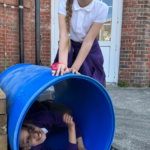
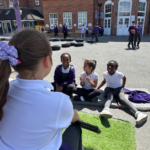
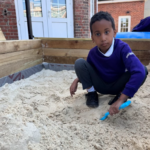
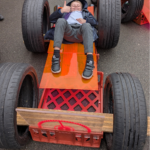
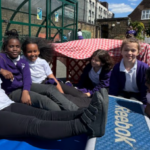
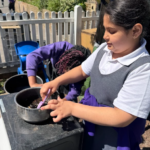
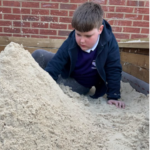
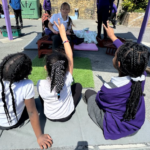
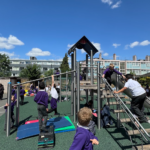
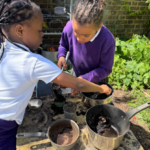
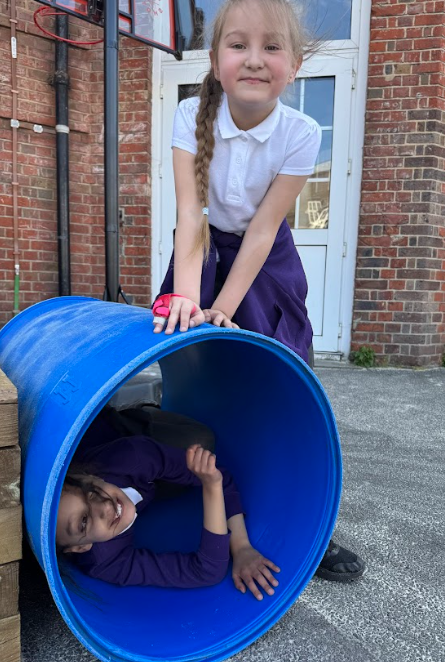
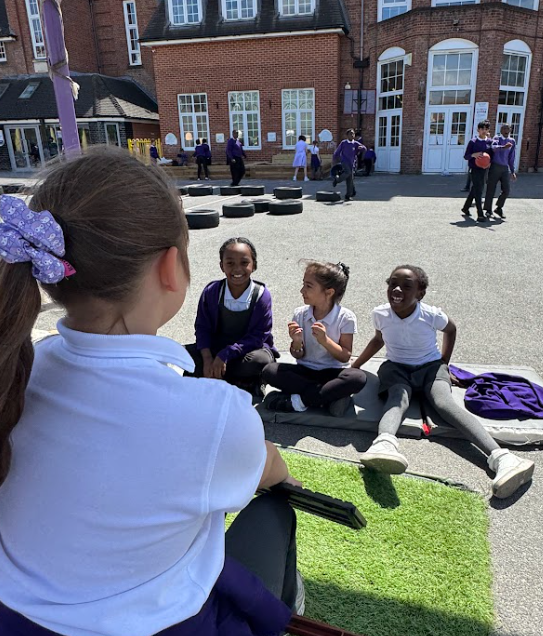
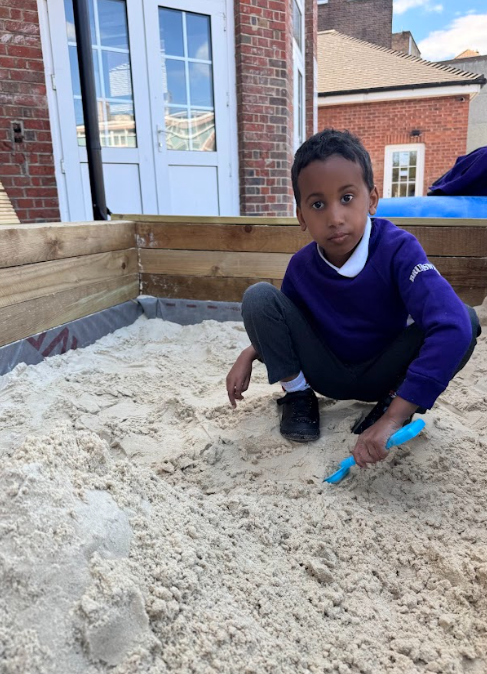
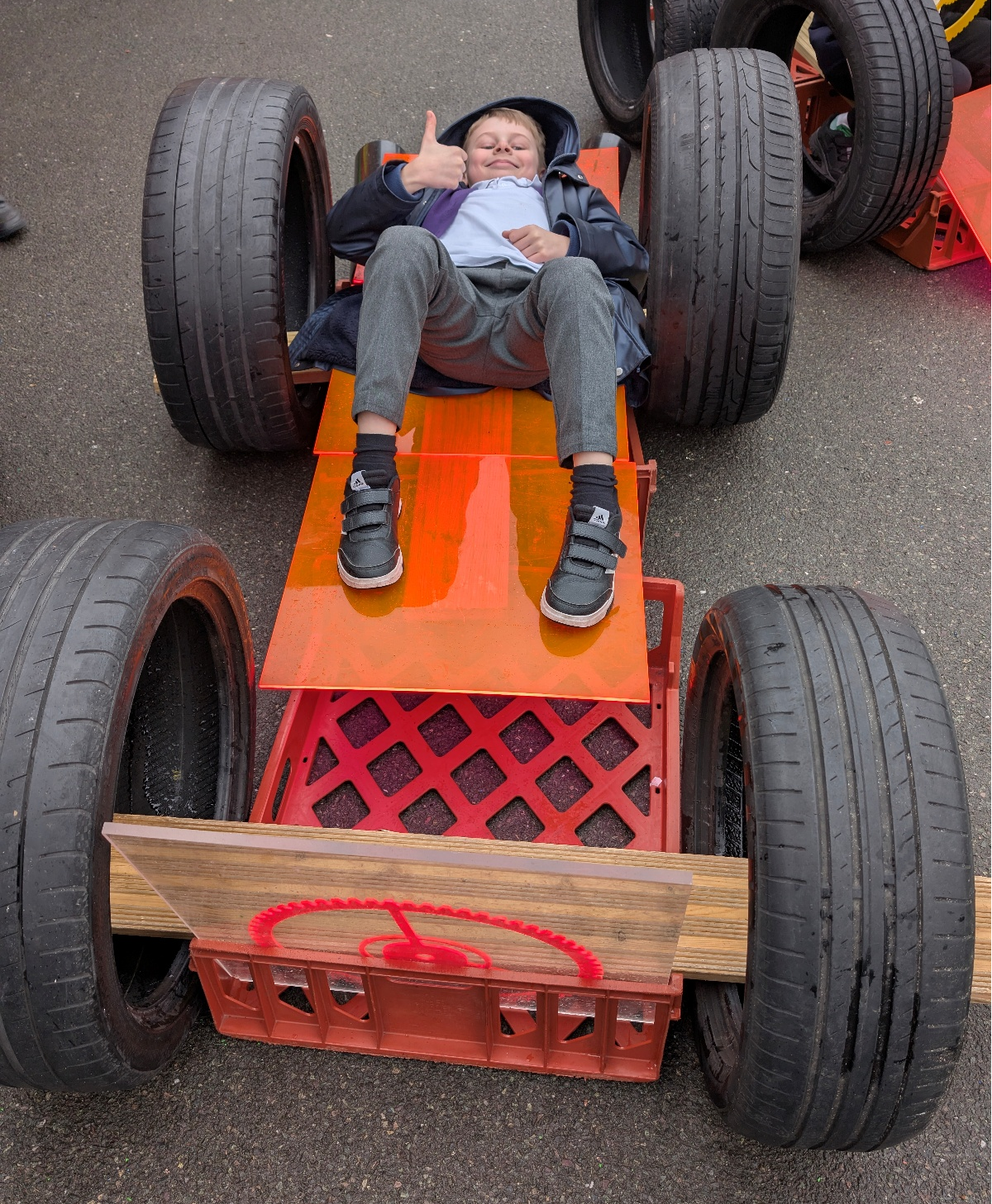
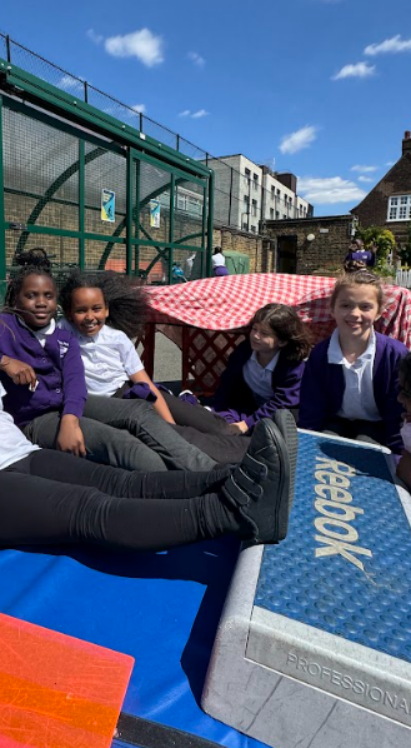
View our Gallery:
Please click on the thumbnails below for a larger view.
In recent years childhood has changed, and now many children no longer get their play needs met outside school:
- Children’s average screen time per day is six hours.
- Children’s average outdoor play time per week is five hours.
- The percentage of UK children who only play outdoors with other children at school is 56%.
There are many proven benefits for schools that carry out the OPAL Primary Programme. They usually include more enjoyment of school, less teaching time lost to disputes between children, fewer accidents, and much better behaviour.
Play is not messing about. It is the process humans have developed to learn things that cannot be taught, while also having fun. Everybody – young or old – benefits from play.
There are certain things children must have to be able to play. These include:
- Suitable clothes.
- Resources and things to play with.
- Having a certain amount of freedom.
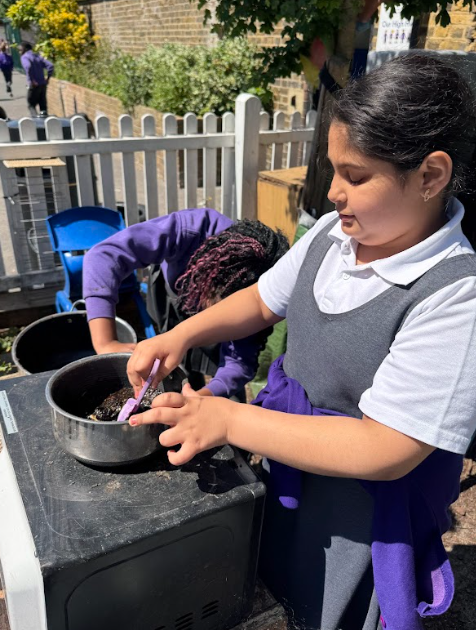
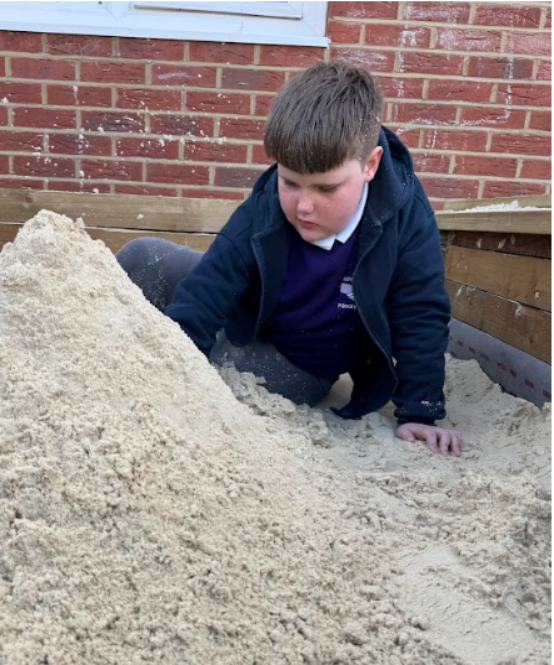
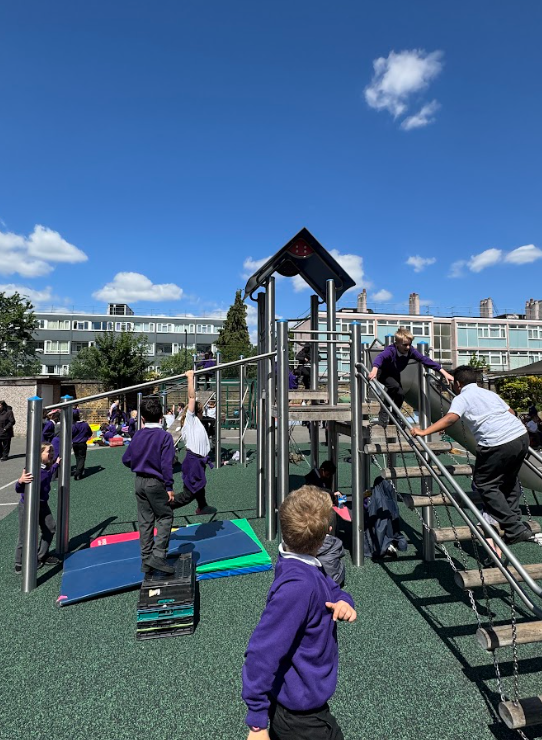
As the school improves play opportunities for your child/children, we will need to buy some new resources, move some things around on the playground and require some donations of ‘loose parts’ (any materials that can be easily moved, combined, and incorporated into children’s free play). We ask for donations on every Newsletter.
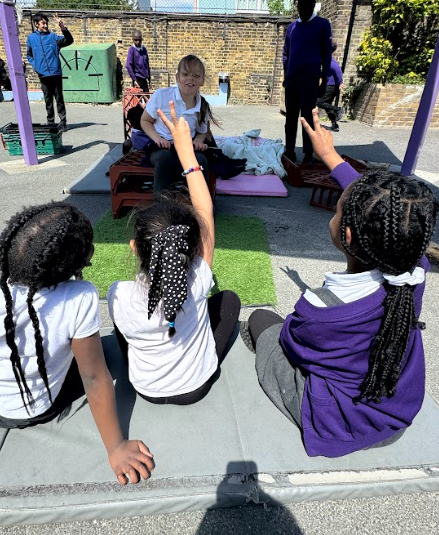
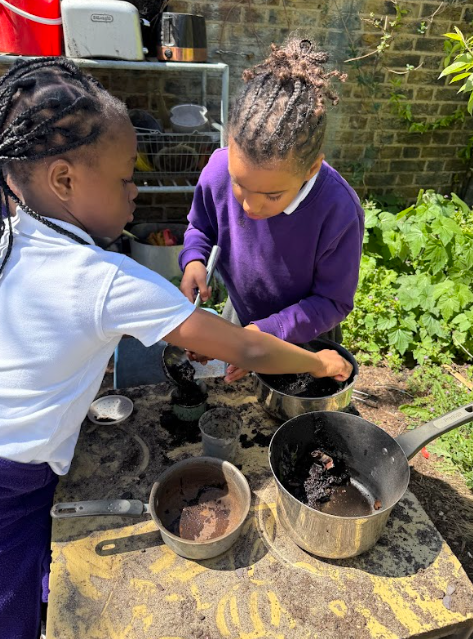
We have also made changes to how the children use the school grounds, and they can now choose where to play and with whom; infants and juniors can pay together. The Key Stage 2 Playground is now the North Side, and The Key Stage 1 Playground is the South Side. Your child/children may get a bit messier, be exposed to more challenges and have greater freedoms to play where, with whom and how they like. The experiences the school is fostering, including messy play, are essential for children’s physical and mental wellbeing and are in line with all current good practice advice on health and safety, wellbeing and development.
If you would like to learn more about the OPAL Primary Programme, please have a look at the OPAL website, where you will find lots of useful information and several videos about it.
We are really excited about this project and hope that you will support us in our efforts to improve playtime for all children.
Link to OPAL website www.outdoorplayandlearning.org.uk